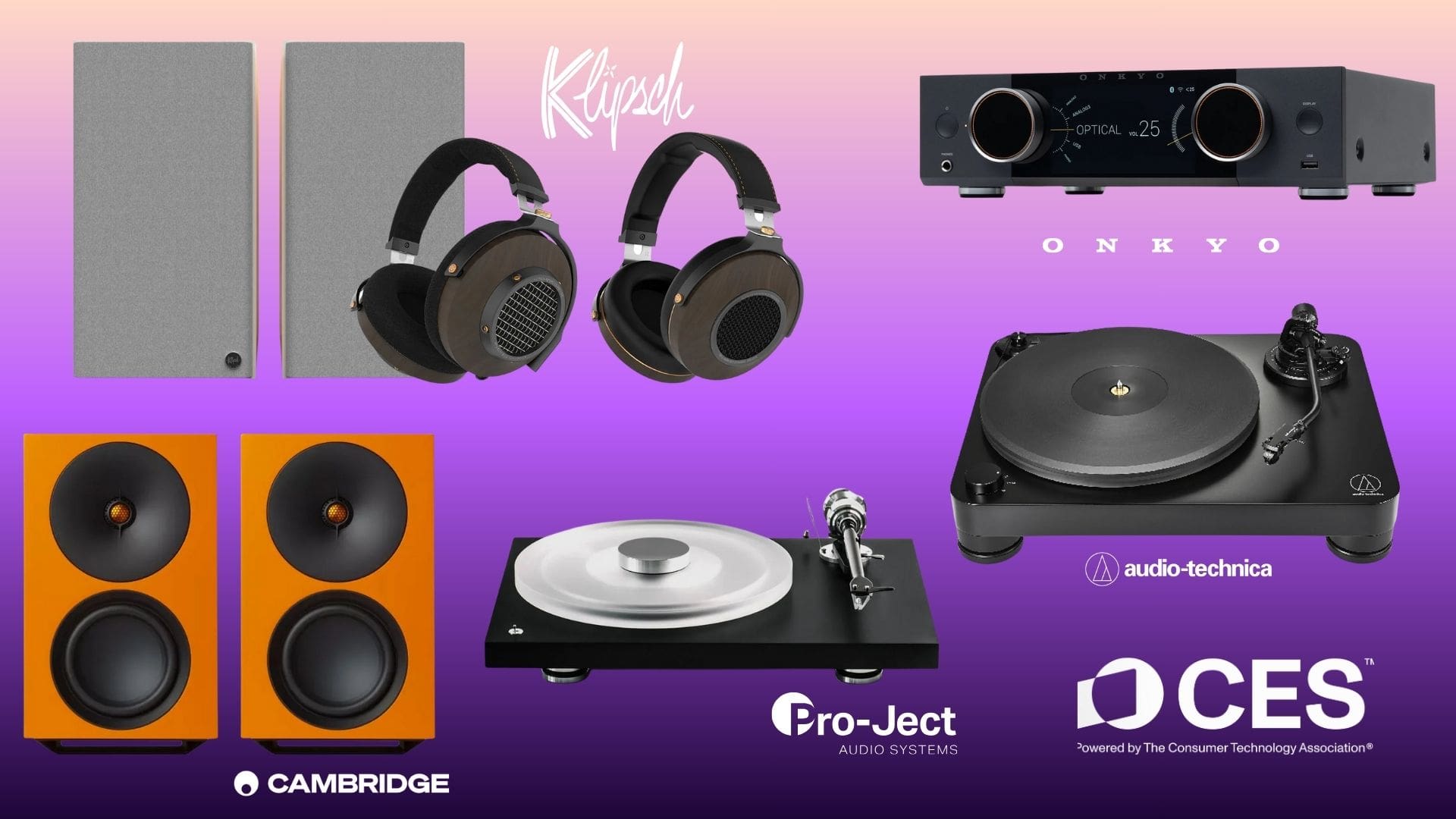
CES 2026: Where Sound Is Headed Next


CES 2026 made one thing clear almost immediately. Audio is no longer just about speakers and headphones. It is becoming more personal, more wearable, more design-conscious, and more embedded into everyday life.
Across the show floor, sound was everywhere, but rarely in the way it once was. Instead of towering speaker stacks and spec-heavy demos, brands focused on how audio lives in homes, on bodies, at desks, and in motion.
Open-Ear Listening Takes Center Stage
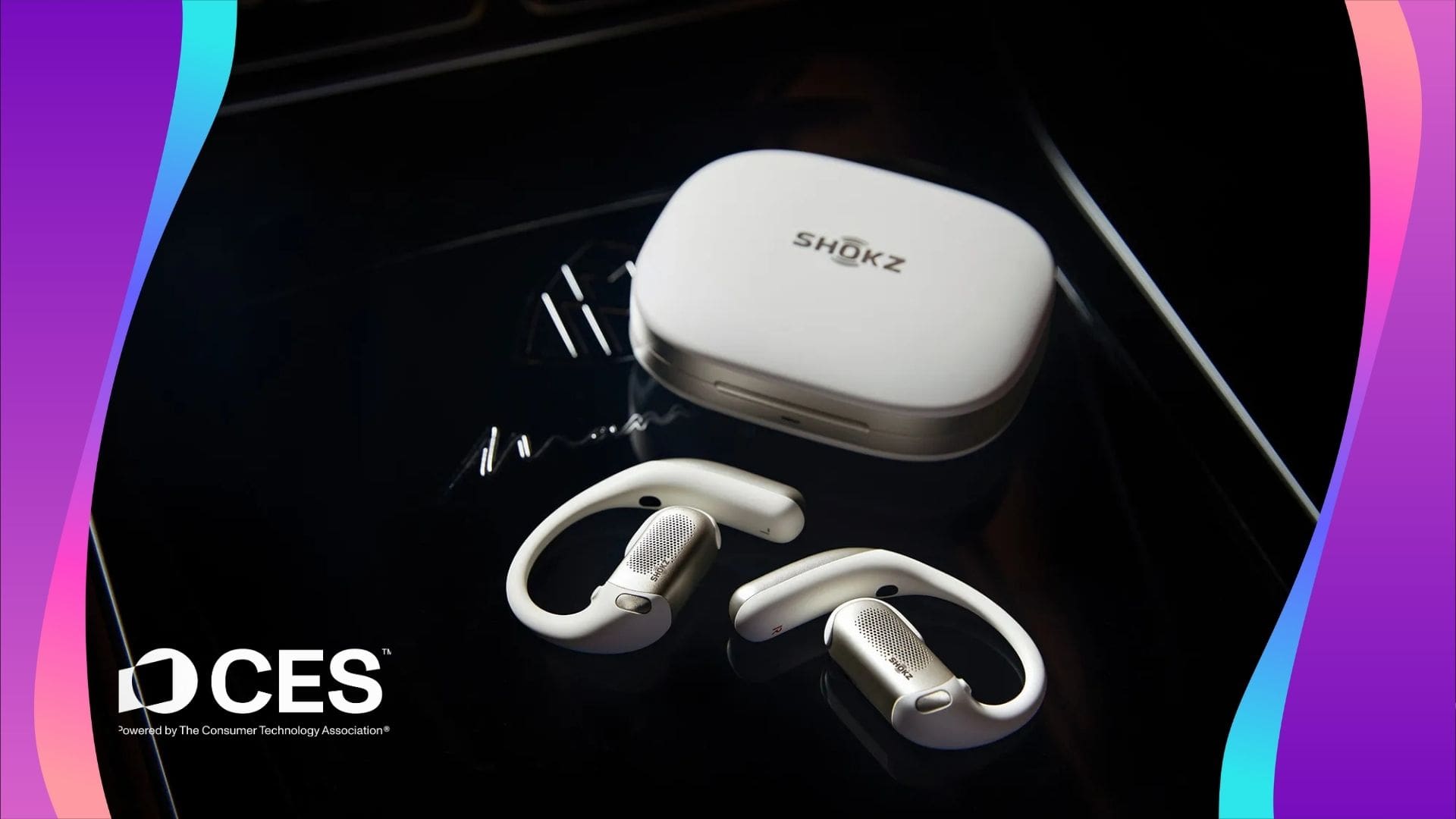
Open-ear and hybrid listening moved firmly into the mainstream at CES 2026. Brands like Shokz, SoundPEATS, EarFun, and Vaim showcased designs built around awareness, comfort, and flexibility. These products are clearly designed for people who listen while moving through the world rather than stepping away from it.
Rather than positioning isolation as the goal, these brands leaned into real-world listening, where music, calls, and sound cues coexist with daily life. Open-ear audio no longer feels experimental. It feels expected.
Design Becomes Part of the Listening Experience
One of the most noticeable shifts this year was how much visual identity mattered. Audio products were designed to be seen, not hidden. Colorways softened, materials felt intentional, and booths emphasized how sound fits into lived spaces.
Crosley stood out with its wall of turntables, blending nostalgia with modern color palettes and finishes. Nearby, legacy brands like RCA and Monster reinforced how heritage audio continues to evolve alongside newer players. Lifestyle-driven brands such as Xtreme, NAXA, Victor, and Emerson further blurred the line between sound, home design, and everyday accessories.
Audio no longer looks like equipment. It looks like part of the environment.
Smaller Systems, Broader Use
Portability remained a dominant theme. Compact speakers and lightweight systems from brands like Bugani, Kaiser, MIATek, Marvo, and Havit demonstrated that power no longer requires scale.
Rather than chasing one universal product, these brands addressed specific use cases, from home listening and travel to casual everyday sound. The emphasis was not on dominance, but on fit.
Audio Expands Beyond Entertainment
CES 2026 also highlighted how audio is expanding beyond music and playback. Brands like Mobvoi and TicNote presented sound as a productivity tool, integrating audio into note-taking, communication, and workflow.
This shift positions audio as something ambient and supportive rather than something that demands full attention. Sound becomes part of how people work and move through their day.
AI Enters the Audio Ecosystem Quietly
Artificial intelligence was present throughout CES, but notably without spectacle. Instead of flashy demos, AI showed up as infrastructure.
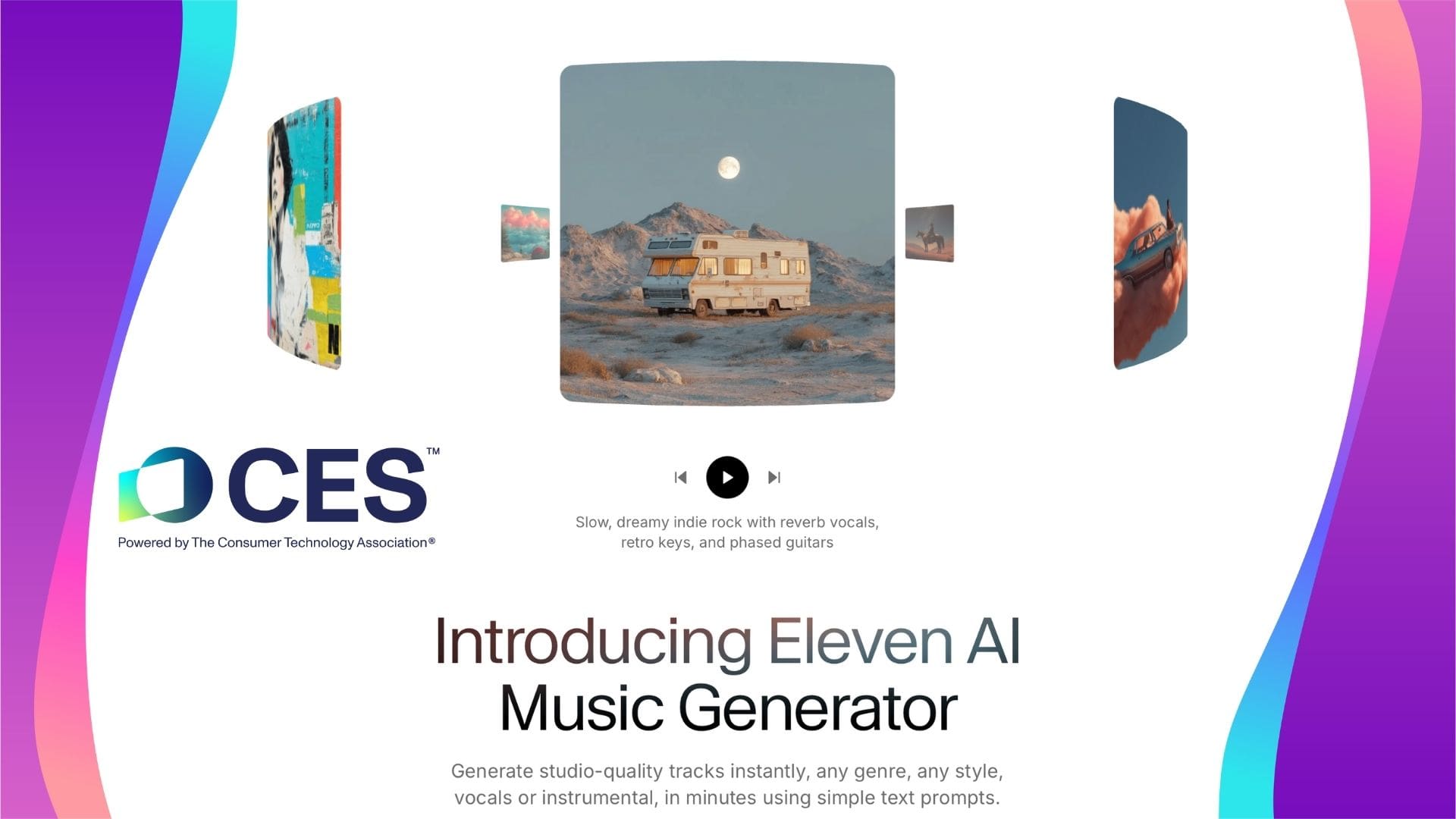
Platforms like ElevenLabs and ElevenMusic framed AI as a creative and functional layer for voice, sound design, and audio storytelling. The focus was less on replacement and more on expansion, offering tools that reshape how sound is created, manipulated, and distributed.
AI in audio felt less like a headline and more like a foundation.
What CES 2026 Signals for Listening Culture
CES 2026 did not point to a single future of sound. It revealed many paths running in parallel. Some are rooted in nostalgia and physical media. Others are driven by wellness, mobility, and intelligent systems.
What connects them is intention. Audio is becoming more personal, more adaptive, and more integrated into real life. As sound moves off shelves and into bodies, desks, and shared spaces, how it fits may matter just as much as how it sounds.
That shift is quietly reshaping listening culture.