


NAMM 2026 Highlights

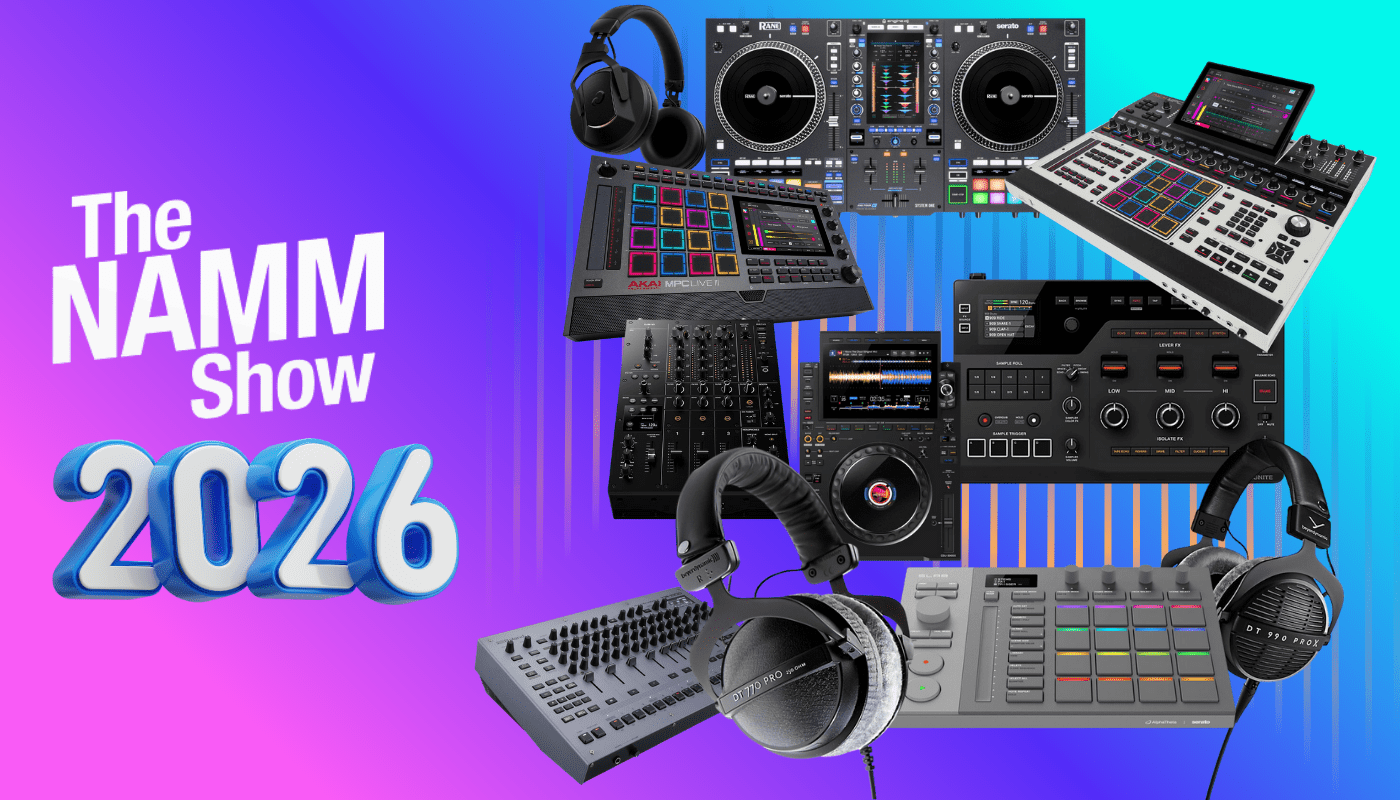
NAMM 2026 felt less like a product showcase and more like a checkpoint. A place where the music industry paused to look at what it has built, who shaped it, and how the next generation of tools is being asked to behave.
This year marked 125 years of NAMM, but the mood on the floor wasn’t nostalgic. It was practical. Focused. Grounded in the reality that artists, DJs, and producers are working across more formats, more platforms, and more contexts than ever before.
Legacy, in Real Time
The most resonant moments weren’t about what was loudest or newest. They were about continuity.
Roland understood that instinctively. The company announced its 2026 Lifetime Achievement Award honoring Prince Paul, acknowledging a producer whose influence can be heard less in any single sound than in an approach: narrative, experimentation, humor, risk. It was a reminder that innovation doesn’t start with technology. It starts with artists who change how music is constructed and understood.
That throughline continued with a rare live appearance by Arthur Baker, who recreated foundational rhythms on Roland’s new TR-1000. It wasn’t a demo. It was proof of concept. These machines still matter because the ideas behind them still move people.
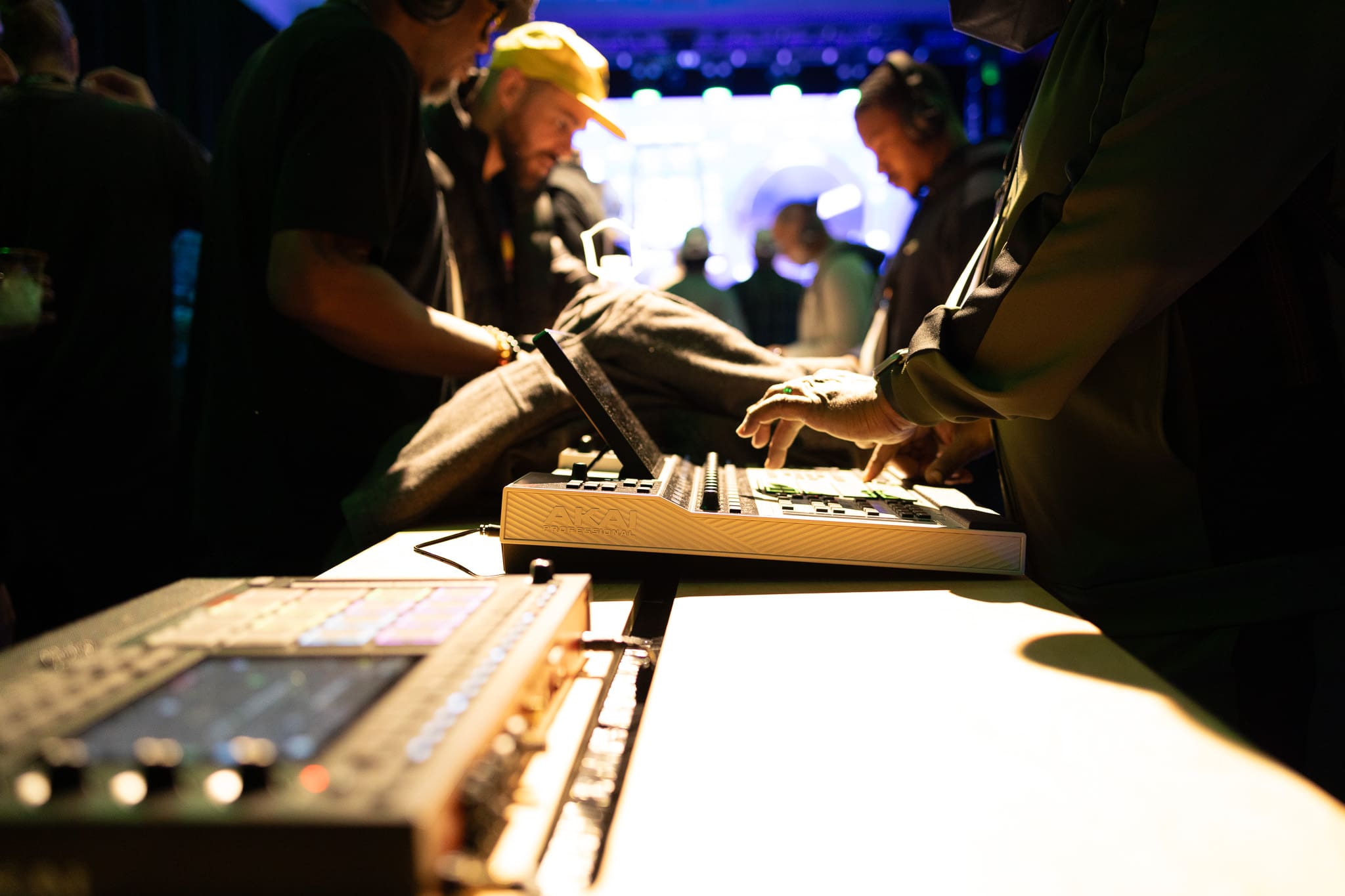
AKAI carried a similar sense of lineage with Teddy Riley’s appearance on the floor. No spectacle. Just presence. A quiet acknowledgment of how deeply certain producers shape the language that modern tools are built to serve.
Tactility Is the Point
If there was a clear design philosophy running through NAMM this year, it was tactility. Gear that invites touch, movement, and physical engagement.
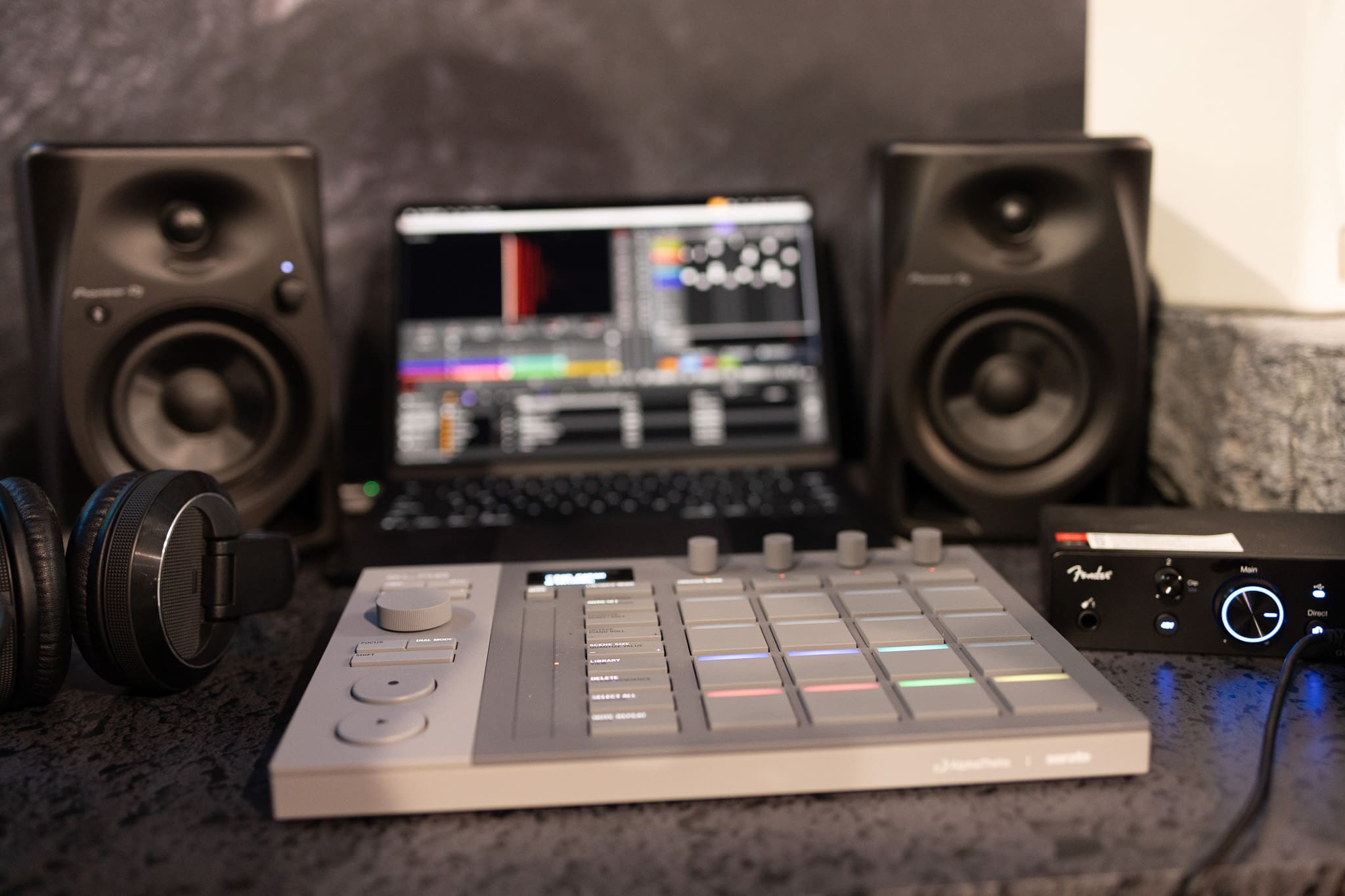
AlphaTheta’s RMX-IGNITE landed squarely in that conversation. As a next-generation evolution of the RMX-1000, it isn’t about piling on effects for the sake of specs. It’s about encouraging DJs to perform, not just play tracks. Levers, large knobs, live sampling, and Groove Roll. The message is clear: individuality is part of the instrument.
That idea echoed across the floor in subtler ways. Serato’s hardware-forward workflows, including Serato Slab, pointed to an ongoing shift back toward hands-on control in DJ culture. Less screen. More body.
Personal Sound, Long-Term Listening
Sound itself was treated with similar care this year.
Custom in-ear monitoring from Dark Matter Audio Labs, alongside solutions from InEarZ Audio and Earasers, pointed to a maturing conversation around longevity. Hearing protection and monitoring are no longer afterthoughts. They’re part of how artists define their relationship with sound over time.
[INSERT IMAGE: Dark Matter Audio Labs custom IEMs]
Instruments Still Win
Keyboards and rhythm instruments reinforced the same sensibility: immediacy matters.
Nord’s demo areas stayed busy for a reason. People still want instruments that respond instantly and musically. KORG’s announcements, including the upcoming Robert Glasper Signature Sound Collection for Kronos arriving summer 2026, continued a shift toward artist-driven sound design over generic presets.
On the rhythm side, Meinl Percussion and EVANS Hybrid reflected how percussion culture keeps expanding without losing its center: feel, response, and physical truth.
The Show’s Quietest Signal
Even the more experimental corners of NAMM, like the Eternal Research installation, felt less like novelty and more like reflection. Sound as archive. Technology as memory.
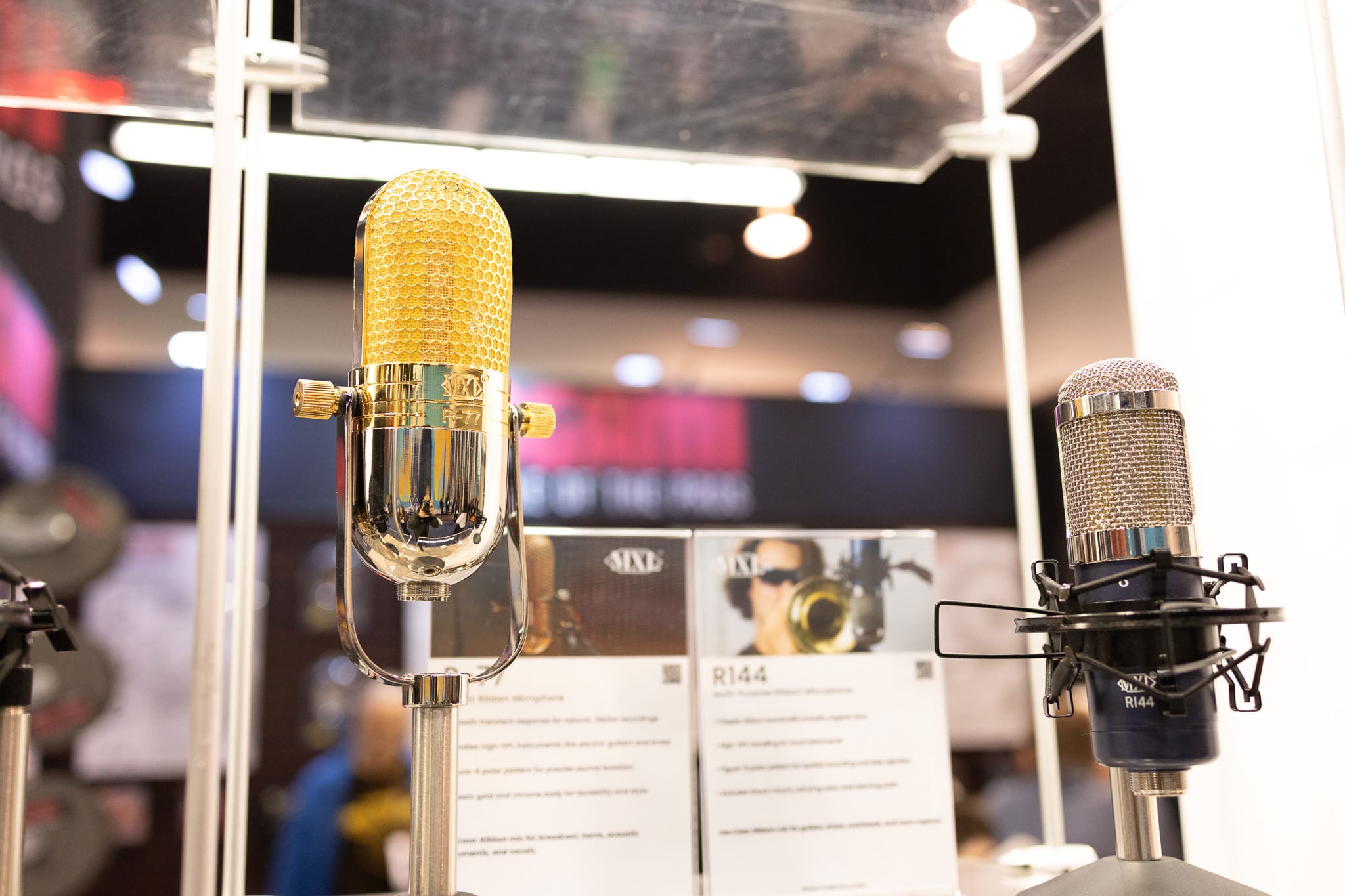
What NAMM 2026 Made Clear: : Legacy, Performance, and Sound in Motion
NAMM 2026 did not try to predict the future. It showed how the present is being refined.
Tools are becoming more personal.
Performance is becoming more physical.
Legacy is being acknowledged without being frozen.
That balance is not accidental. It’s where music tends to stay alive.
