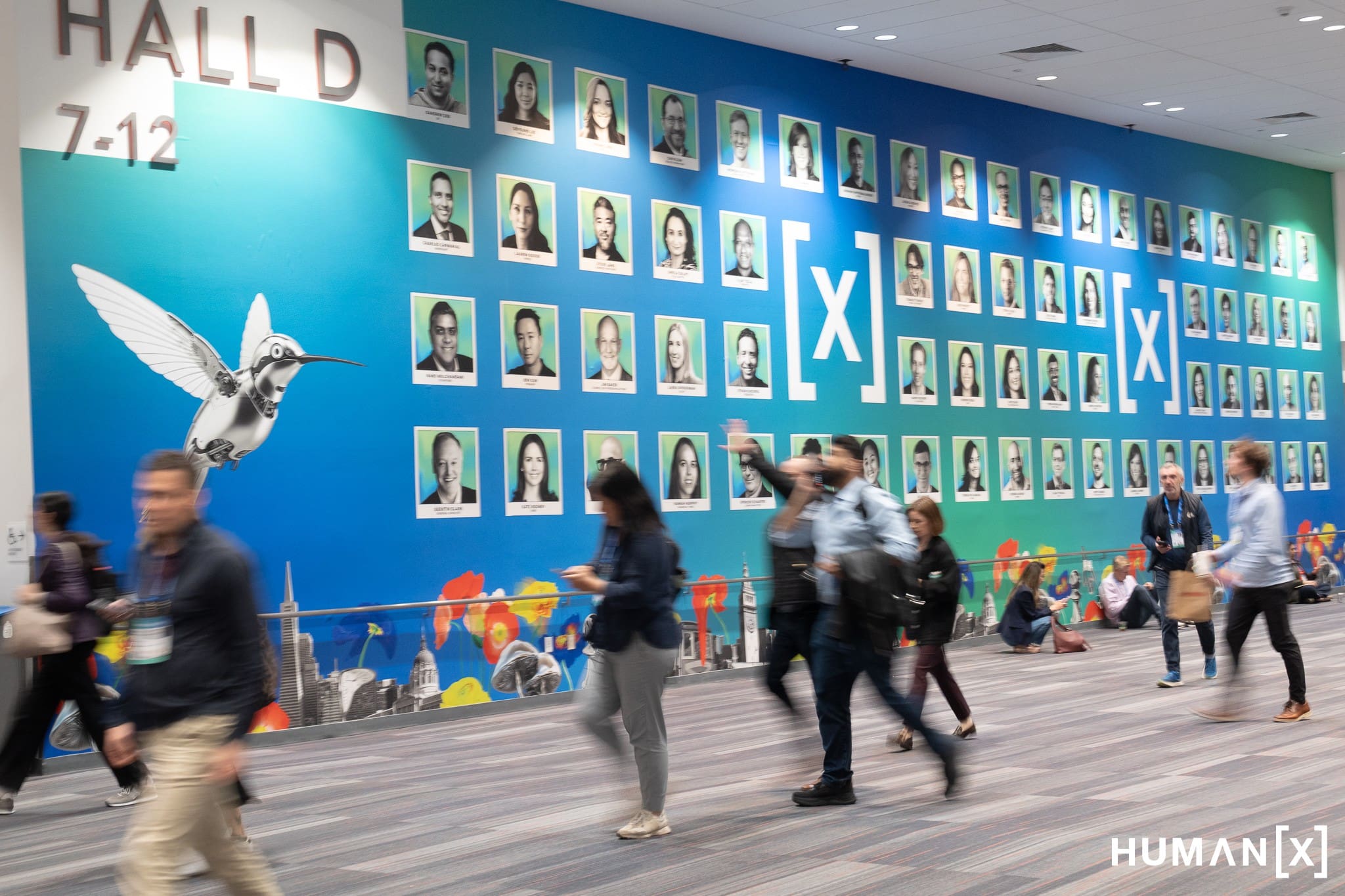
HumanX 2026


What HumanX Had to Say About AI, Music and What Still Has to Stay Human
If HumanX is not on your radar yet, it is one of the larger AI conferences now pulling founders, investors, media, enterprise execs and policy people into the same room. This year, San Francisco was full of the usual talk about automation, infrastructure, agents and scale. Some of that was useful. Some of it felt like exactly what you would expect.
What got our attention were the music conversations.
Two panels stood out. One featured Questlove in conversation with Rajat Taneja, President of Technology at Visa, moderated by CNN’s Clare Duffy. The other brought together Harvey Mason Jr., CEO of The Recording Academy, and Ghazi Shami, Founder and CEO of EMPIRE, also with Duffy moderating. Both panels were brief, but both got to the real question fast: as AI moves deeper into music, what actually matters, and what cannot be lost in the process?
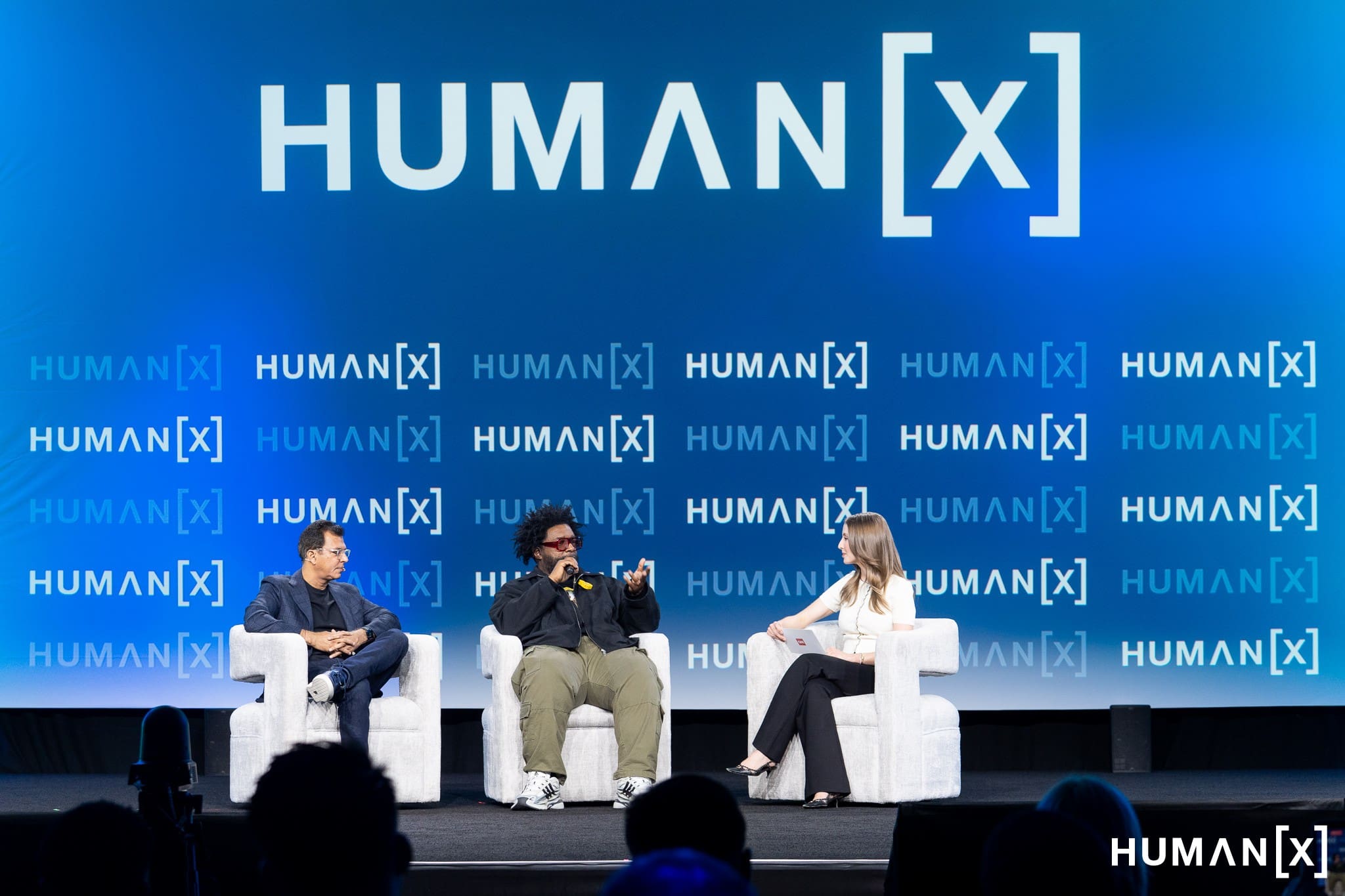
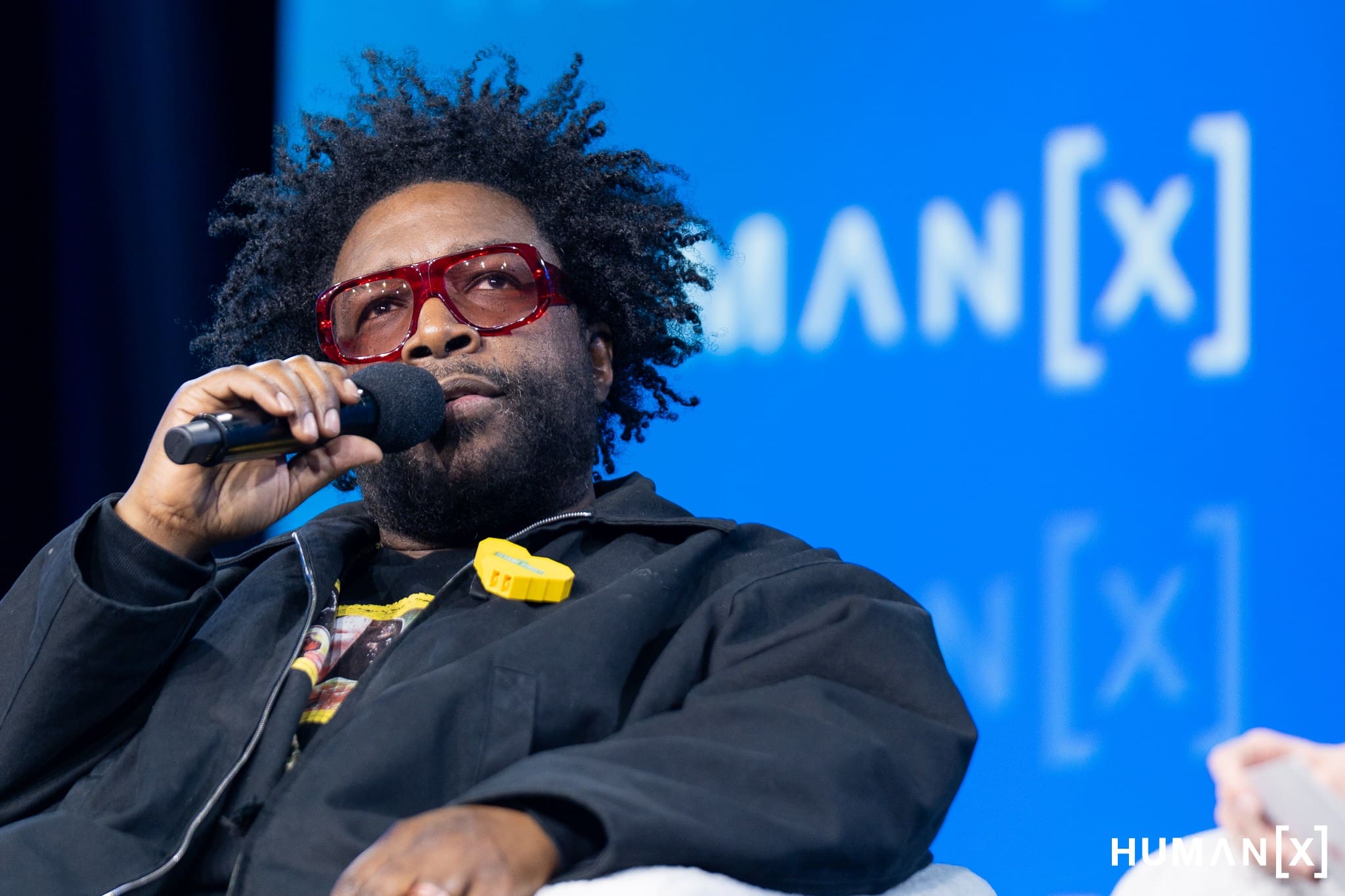
Questlove was easily one of the most grounded voices in the room. While the panel started around AI, commerce and trust, he kept bringing the conversation back to process, feel and what makes music worth caring about in the first place. He spoke about embracing mistakes, even pointing to Voodoo as an album full of them, and made the point that so much of what gives music life comes from accident, imperfection and discovery. In a conference environment where efficiency kept getting framed as the answer to everything, that landed.
That was really the heart of his argument. AI may have a place, but not as a substitute for the whole process. He described it as a condiment, not the burger, which was funny but also direct. Used lightly, as a tool, sure. Used to replace the core creative act, that is where things start to flatten out. Questlove was clear that he is not anti-tool. He is anti-erasure. He also made a sharp point that anyone in music should be able to get behind: if artists’ work is being used to train machines, those artists need to be credited and compensated. That should not even be controversial.
What made that panel stronger than expected was that the “trust” conversation was not just about shopping bots and future payments. It touched the same nerve the music business is already dealing with. Who has permission? Who is accountable? Who benefits? Once AI moves from helping people make decisions to acting on their behalf, those questions stop being theoretical. They become structural.
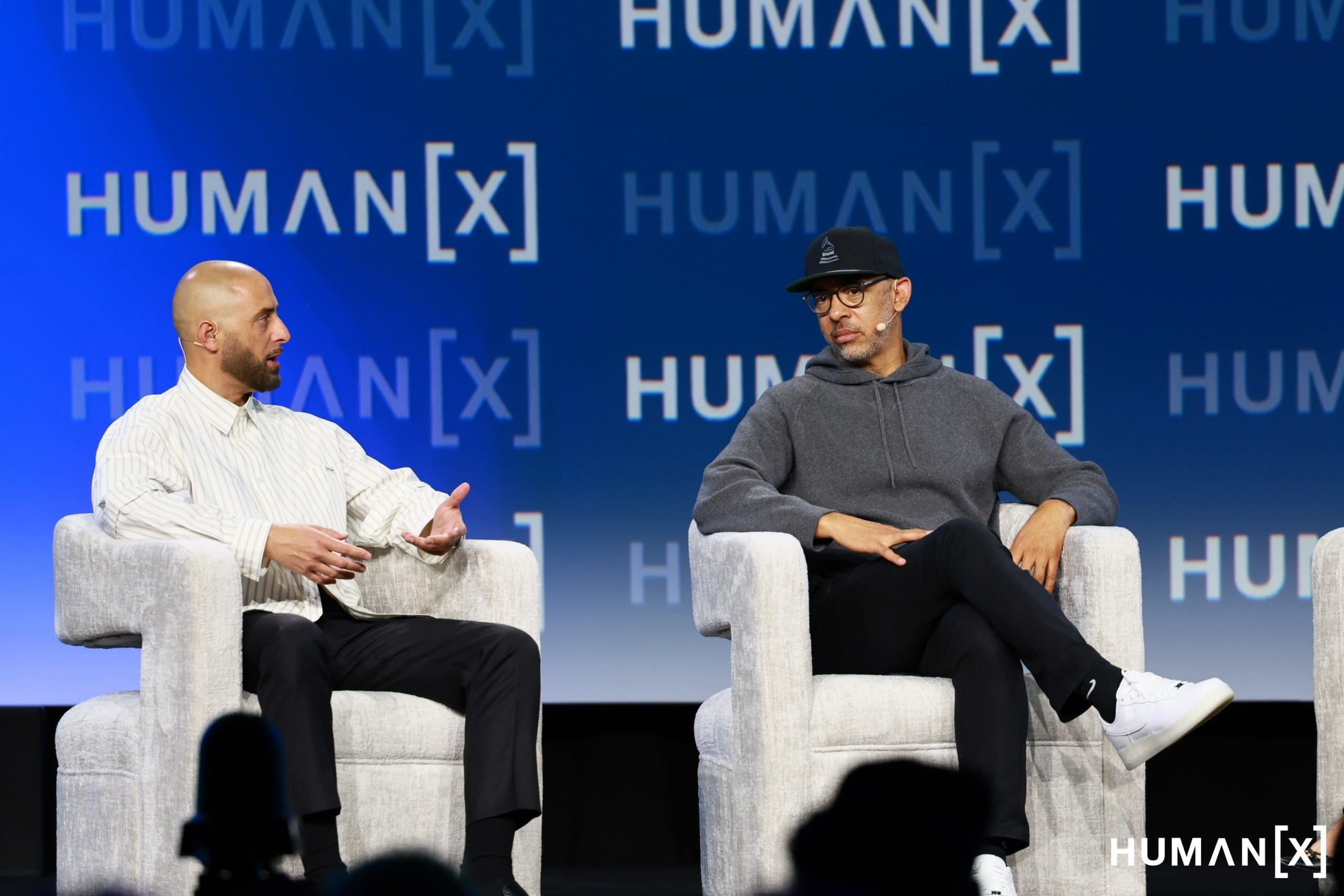
The Harvey Mason Jr. and Ghazi Shami panel pushed the conversation further into the music business itself, and frankly, this one could have gone much longer. Harvey spoke candidly about how difficult it is to set rules when the technology keeps changing in real time. His position was practical: AI can be part of the creative process, but it cannot replace the human core of the work. He also did not sugarcoat the anxiety artists are feeling. For people who have spent years developing a craft, the idea that somebody can now type a prompt and generate songs in seconds is not just disruptive. It is personal.
Ghazi came at it from a different angle, but just as usefully. His main point was education. A lot of fear around AI comes from people not yet understanding where it helps, where it harms, and where the real business risks are. He talked about AI as a tool that can expand what a creative person can do, especially for producers and artists who already have taste and direction. He also made it clear that licensing is not optional. Companies that do not figure that piece out are going to get left behind. That is where the real fight is going to be, around rights, royalties, leverage and control.
One of the strongest moments from that panel came when the conversation turned to live music. Ghazi’s response was immediate: tour, tour, tour. The point was simple and real. In a moment where recorded output is getting easier to imitate, the live experience becomes even more important. Presence still matters. Audience connection still matters. The room still matters. That is not nostalgia. That is value.
There was another point in that discussion that felt especially important for anyone who works around culture. Ghazi talked about the need to bridge technology and music with people who actually understand both. That may sound obvious, but it is where a lot of tech conversations still fall apart. Too many products are built around music without enough understanding of how music culture actually works, how artists build trust, how audiences connect, and how value gets created over time. Tech alone is not enough. Taste still matters. Context still matters. Human discernment still matters. Harvey echoed that too, noting that the difference between a good song and a forgettable one still comes down to what someone does with the tool in front of them.
That, more than anything, was the takeaway from HumanX.
Not that AI is coming. We know that.
Not that music should reject it. That is not realistic either.
The more useful takeaway is that the people shaping this next phase need to be smarter about what they are protecting. Process. Attribution. Taste. Compensation. Human connection. Those are not side issues. That is the whole thing.
For a conference centered on the future, the most interesting moments were the ones that made a case for what still should not be automated out of the picture.