
Seun Kuti Video Interview: Na Dem, Resistance & Shared Humanity

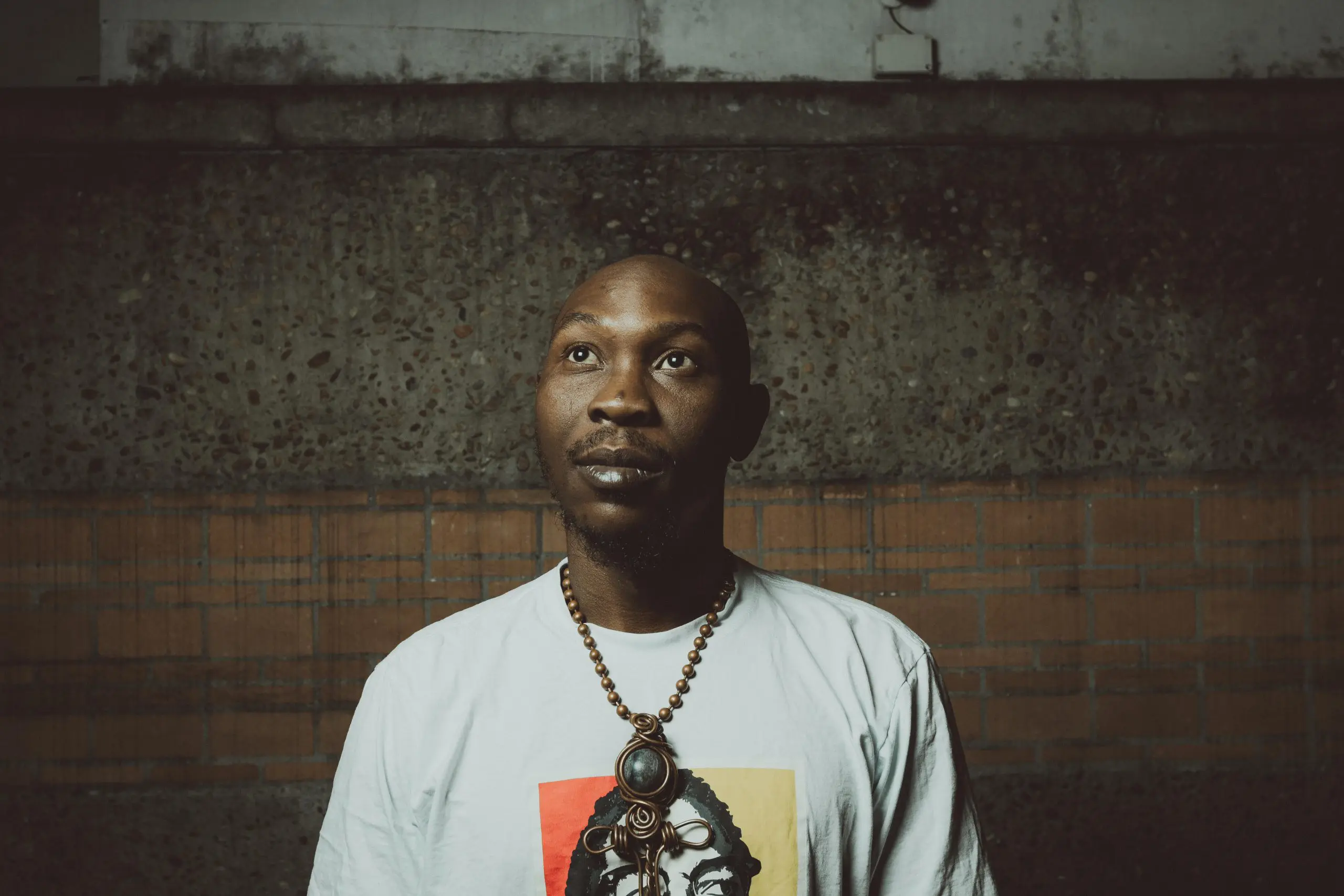
In Fusicology’s video interview, Seun Kuti discusses Na Dem, his album with Egypt 80, and the responsibility that connects his music, activism, and life as a father.
The conversation moves from the forces behind “DJB” to the hope embodied in “Adara,” named after his daughter. Throughout, Kuti returns to a central concern: how people can protect humanity and nature while resisting systems that put power and profit ahead of life.
For him, music is part of that work. It offers a way to confront difficult realities, strengthen solidarity, and remind listeners that they have the ability to act.
Na Dem and the Resolve to Resist
Asked what made Na Dem necessary, Kuti points to the concentration of power among a small ruling elite and its consequences for people and the natural world. He describes an ominous feeling that his music captures, while refusing to accept defeat as the only response.
His intention is to encourage people to reclaim their reality. The album’s message connects resistance with a belief in what people can accomplish together, even under pressure.
That perspective runs through the interview. Kuti speaks directly about exploitation, empathy, and the gap between the lives of those holding power and the experiences of the people affected by their decisions.
“DJB” and the Power of Togetherness
Discussing “DJB,” Kuti describes a destructive energy that shapes ambition, influence, and the figures society holds up as examples of success.
He identifies love, unity, and togetherness as its counterforce. Being humane, in his view, includes understanding our responsibility to the planet and the other species with which we coexist.
The song’s darker atmosphere gives that argument a musical setting. Its concerns reach beyond individual behavior to the values people absorb, celebrate, and pass on.
A Record Rooted in Shared Experience
The interview also explores recording across continents and working with an international band. Kuti places the emphasis on shared human experience rather than geography.
He argues that empathy allows people to recognize one another’s struggles across borders. For him, the honesty of the music comes from the conviction behind it, wherever the recording takes place.
As he explains, the music is forged in the deepest parts of his being. That commitment gives the record its foundation and connects its global recording process to a consistent artistic point of view.
“Adara,” Fatherhood and the Future
The conversation becomes especially personal when Kuti discusses his daughter, Adara, whose name he translates as “it will be well.”
Fatherhood has strengthened his resolve to resist. He describes a responsibility to help create a world in which his daughter and the next generation can survive, live, and thrive.
“I think resistance is non-negotiable,” he says.
His concerns include access to clean water, food, air, and a livable environment. Parenthood brings those questions into sharper focus: protecting the future becomes a responsibility he carries in both his life and his work.
Building Community Through Music
Asked what he wants audiences to take away from his performances, Kuti describes a feeling of closeness to humanity and nature, accompanied by a sense of possibility.
He wants listeners to feel capable of finding, building, and organizing their communities. Responsibility, as he presents it, can motivate action without leaving people overwhelmed or defeated.
That vision extends beyond musicians. During the conversation, he considers the roles of people working in law, medicine, and engineering, imagining what becomes possible when their work prioritizes justice, health, and respect for nature.
His closing words capture the hope behind that outlook:
“We are the miracles. We just need to wake up.”
Watch the Full Fusicology Video Interview with Seun Kuti
Watch Seun Kuti discuss Na Dem, “DJB,” “Adara,” fatherhood, and the connection between music and collective change.
Explore more artist conversations in Fusicology’s video interview archive.
